New Evidence Shows AI Helps Doctors Find Breast Cancer
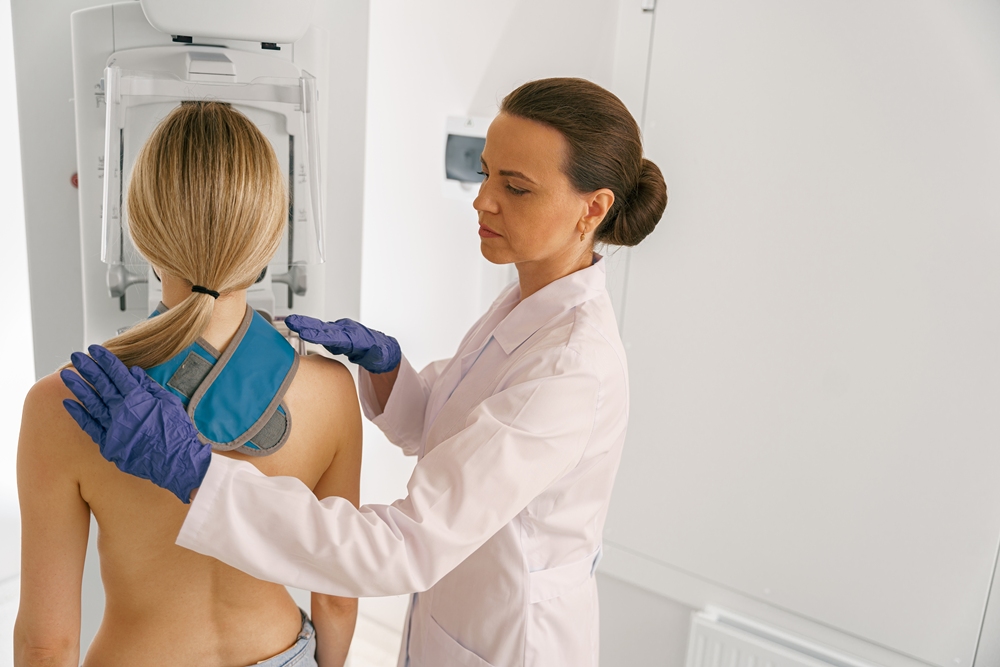
The MASAI trial recently shared new evidence about using artificial intelligence to help with mammography screening. This study looks at how computer tools can support doctors when they check for breast cancer. While the technology shows great promise, there are still gaps in how these devices are regulated.
How does artificial intelligence help in mammography screening?
Doctors use mammograms to find signs of breast cancer before a person feels any symptoms. Reading these x-ray images takes a lot of time and focus for a human doctor. Artificial intelligence can scan these images very quickly to look for patterns that might be hard for the human eye to see. This helps doctors decide which images need a closer look right away.
The MASAI trial is a major study that provides data on how well these AI tools work in a real hospital setting. By using these tools, medical teams might be able to find cancer earlier than they did in the past. Early detection is one of the most important factors in treating the disease successfully. This trial helps prove that the technology is not just an idea but a working tool for modern medicine.
Is there regulation of artificial intelligence in healthcare?
Even though the technology works well, there are still many questions about the rules for its use. Experts are worried that device regulation has not kept up with how fast the technology is moving. There are gaps in the laws that ensure every AI tool used in a hospital is safe and accurate for every patient. This is why many groups are looking at the regulation of artificial intelligence to keep people safe.
Without strong rules, it is hard for hospitals to know which AI tools are the best ones to buy. They need to be sure the software does not make mistakes or miss important signs of illness. New laws like the Artificial Intelligence Act are being discussed to help set high standards for these products. Better rules will help patients trust that the technology helping their doctor is reliable.
What are the key findings from the MASAI trial?
The trial provides several important points for the medical community to think about as they move forward. These findings show that the future of medicine will likely involve a mix of human skill and computer speed. Here are the main things to know:
- AI can help find more cases of cancer than doctors working alone.
- The technology can reduce the amount of work for radiologists.
- Current rules for these medical devices need to be updated soon.
- More testing is needed to fill the gaps in device regulation.
These points show that we are in a transition period for healthcare. Doctors are excited about the help, but they also want to be careful. They know that a computer is a tool, not a replacement for a trained medical professional. The goal is to use the best parts of both to get the best results for patients.
What will happen next with AI in hospitals?
In the coming years, more hospitals will likely start using these AI tools for cancer screening. As more data comes in from trials like MASAI, the software will become even more accurate. We will see a shift in how doctors spend their time during the day. Instead of looking at thousands of healthy images, they can focus their energy on the most difficult cases flagged by the computer.
Patients should watch for new announcements regarding how their local clinics use technology. It is important to ask questions about how AI is being used in your own healthcare. As the rules catch up to the science, we can expect a safer and more efficient system for everyone. The focus will remain on saving lives and making sure no one is left behind by these new advances.


Comments
Post a Comment